Your phone number already powers everything from messaging to mobile banking. Now it's doing the same for crypto.
As mobile cryptocurrency payments become more common, identity is shifting from anonymous wallet strings to familiar human contact points, such as your phone number.
The crypto purists may hate this, but anonymity was always a bug masquerading as a feature. Not denying the use cases for privacy but for 99% of people random alphanumeric strings are terrifying (😵💫). One typo in "0x742d35Cc6634C0532925a3b844Bc9e7595f0bEb" will disappear your money.
Every shift in how we pay has become simpler: cash to checks, checks to cards, cards to phone taps. It is not about the technology that people chose to adopt these payment methods, but because they were easy. Crypto reversed this entire trajectory, turning users into part-time cryptographers and a full-time anxiety holder because double-checking character strings is no joke.
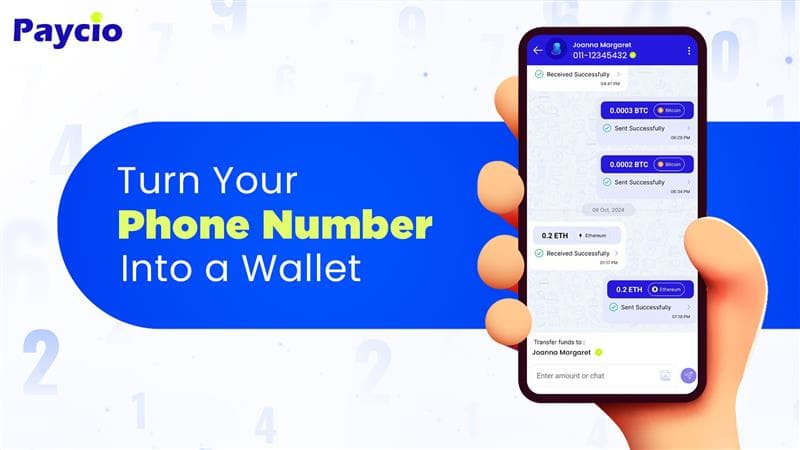
Mobile cryptocurrency payments are not compromising crypto's vision but rescuing it from someone who thought memorizing the wallet address was a reasonable ask. With a phone number, you can tap a contact or scan a QR code to send value instantly.
I've watched crypto conferences for years where people debate Layer 2 scaling solutions and zero-knowledge rollups. But how does any of this matter to your grandmother? The dirty secret of crypto UX is that it's been optimized for the people building it. Everyone else got left staring at interface that might as well be flight control panels.
Mobile cryptocurrency payments flip the script:
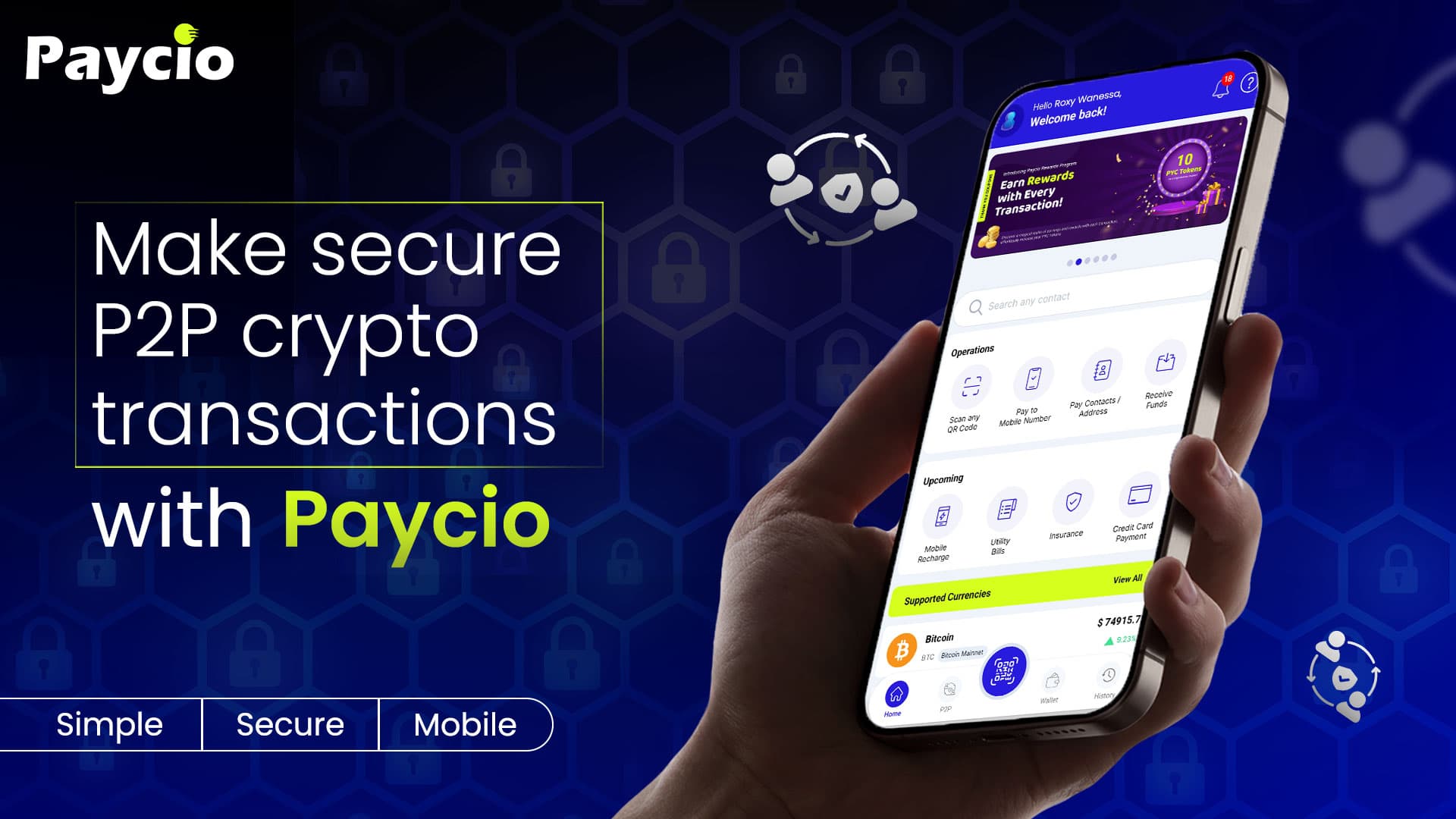
- For senders, transactions become so simple that you select the contact you want to pay, enter an amount, and confirm. No copying addresses, triple-checking each character, or being anxious about disappearing funds.
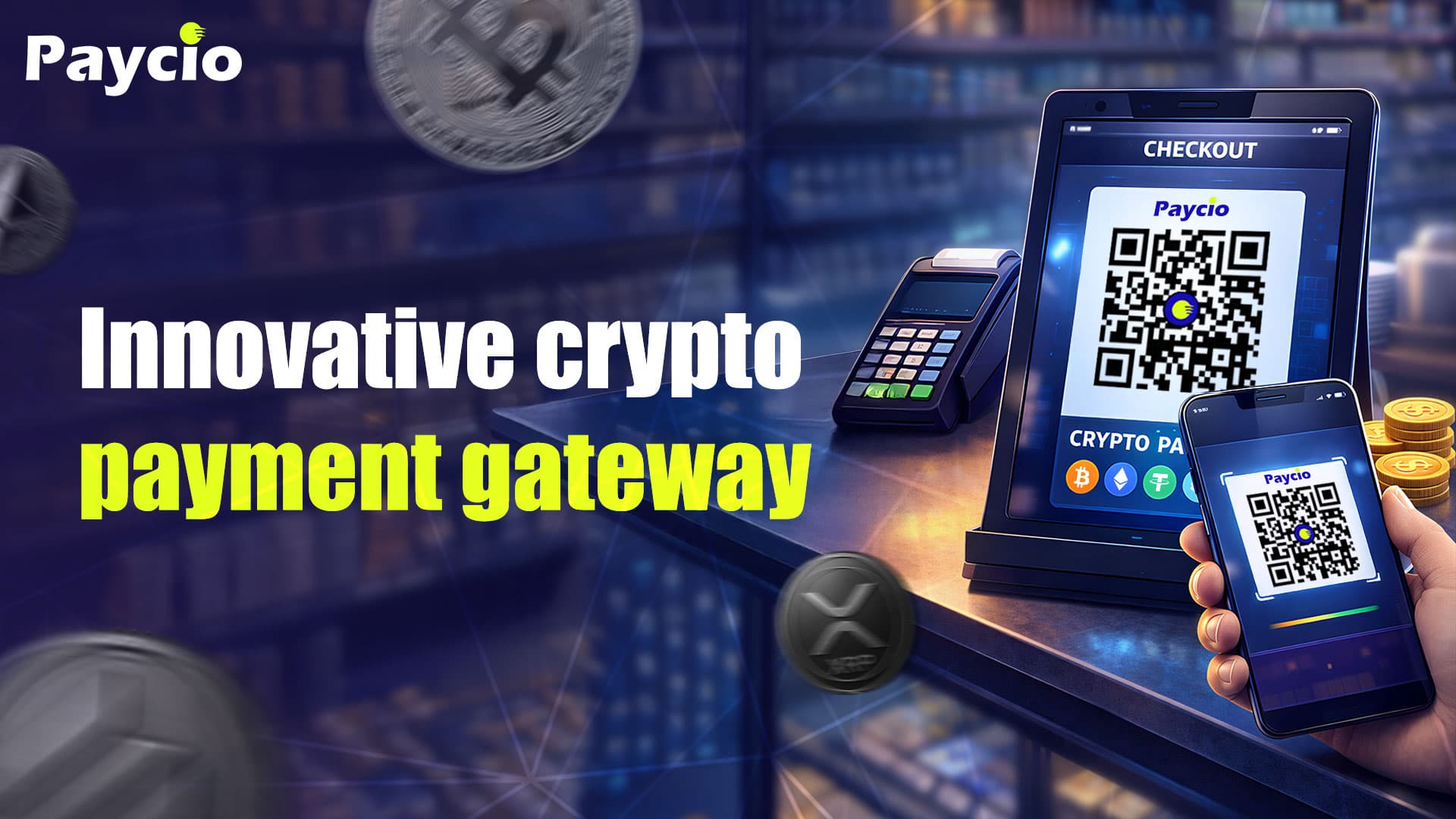
- For merchants, the barrier to entry drops to nearly zero. Instead of integrating complex payment processors or managing multiple wallet addresses, they can display a QR code or share their business phone number. Payment routing, currency conversion, and settlement happen automatically in the background.
- For everyone else, wallet addresses disappear behind recognizable identities. You're no longer incharge of a portfolio of cryptographic keys, because you are using your phone the way you always have.
Let's address the obvious concern: isn't tying crypto to phone numbers a massive centralization risk?
Phone numbers are controlled by telecom companies and government, sure. But the encryption layer keeps transactions safe. Your phone number gets hashed and encrypted, creating a one-way map between your mobile identity and wallet address. The blockchain sees proof that a verified number exists (doesn't see the number) and links to this wallet.
Phone numbers are harder to spoof than emails and more universally verified than social media handles. However, secure mobile cryptocurrency payments don't require choosing between ease of use and self-custody. Paycio's UCPI operates non-custodially and preserves user control.
This matters especially for cross-border transactions. When both parties can verify each other through familiar mobile identities rather than anonymous wallet strings, the psychological barrier to transacting drops significantly.
Here's a fun exercise: find people who tried stepping into crypto in 2021 and gave up. Ask them why. Nine times out of ten, the answer involves "I was scared to mess up" or "It was too much work." The tenth person might mention fees, but that's usually secondary to the pure friction of getting started.
The traditional onboarding flow reads like a hazing ritual:.
Each step kills 20-30% of people. By the end, you've lost 90% of your potential users. But mobile cryptocurrency payments are simple: verify your number and start transacting.
The process mirrors WhatsApp - enter your phone number, receive a verification code, confirm, and you're in. Every succeeded fintech product learned this: complexity is the enemy. A business owner or a mother sending money cross-border does not need to understand seed phrases, gas fees, or cross-chain bridges.
For businesses integrating Paycio's UCPI, this crypto wallet onboarding translates to a higher conversion rate. Crypto payments appear alongside credit cards and banks transfers, accessible to anyone with a phone number. This has massive implications for emerging markets, where billions of people have smartphones but no bank accounts. Phone number verification works everywhere.
Technology serves the transaction, not the other way around.
One of crypto's biggest debates: how to keep users private while staying compliant? Privacy maximalists call phone-based systems surveillance capitalism. Regulators call them insufficient for AML purposes.
But the middle ground is phone-number-based crypto systems use encryption (like traditional banking) and selective disclosure, so users stay verifiable without exposing personal details. When you transact using a phone-linked identity, the blockchain records the transaction and not your phone number.
This is how decentralized identity works in mobile crypto payments. Your phone number is an attestation stored off-chain, while your wallet address operates on-chain. They link through zero-knowledge proofs that allow verification without data exposure.
Privacy can coexist with KYC compliance. Compliance needs provable identity during onboarding and high-value transactions. Privacy cares about not broadcasting your financial activity to the entire world. Phone-based systems verify users once during setup, then allow transactions pseudonymously afterward.
Paycio ensures anonymity without sacrificing usability. Your phone number never touches the blockchain because the company doesn't store database mapping number to wallets. Instead, users hold encrypted credentials on their own devices that prove ownership when needed. This architecture also enables selective disclosure. If a jurisdiction requires transaction monitoring above certain thresholds, users can choose to reveal their verified identity for those specific transactions.
The privacy debate often presents a false choice: full anonymity or total surveillance. Phone-based mobile crypto payments demonstrate a third path - verified identities for security, encrypted data for privacy, and user control over disclosure.
We keep making the same leap every decade: numbers to names, accounts to people, abstraction to humanity.
Crypto tried to go backward with public keys, extra steps and higher stakes. But mobile numbers put a stop to it.
Mobile cryptocurrency payments using phone numbers as identity aren't compromising decentralization. They're recognizing that protocols can be decentralized while interfaces remain human. Paycio's UCPI removes the last major UX barrier between blockchain and mass adoption by anchoring mobile crypto integration to phone numbers.
The future of mobile cryptocurrency payments sponsored by Paycio will improve existing financial behaviors. The result? Faster settlement, lower fees, global reach, and user sovereignty.