Imagine sending money the way messages were delivered in the 1990s, by physically mailing it with a stamp. That's precisely how traditional international bank transfers act now: slow and cumbersome. In a world where we binge-watch TV shows overnight and chat on instant messenger, why should moving money be sluggish?
It's almost ironic that we live in an era of instant gratification, yet our cash often gets bogged down with a hidden "latency tax." Every hour spent in transit is money you cannot use and added fees. We're about to show you how real cost savings with crypto payments come from blowing up the old-school money sucking system and letting money move at the speed of a push notification!
The Latency Tax: The Hidden Cost of Waiting
Before we even tally the fees, consider the time cost. Corporate accountants often dread cross-border payments because they tend to take weeks, not minutes. In fact, a recent Visa survey found that domestic B2B payments take an average of 21 days, while cross-border payments drag on for 32 days.
That's over a month of capital sitting idle!
Those delays freeze liquidity, strain cash flow, and throw off budgets. As the Visa report bluntly puts it, this lag "puts a strain on cash flow" for businesses selling overseas. Every additional day is like paying interest to the bank for custody of your money. In other words, the cost of waiting goes beyond any transfer fee, like an invisible toll that makes payroll and invoices a guessing game.
The real cost savings with crypto payments come from freeing that capital, allowing it to move instantly instead of sitting idle in the system.
The Post Office vs The Push Notification Economy
Now, picture two worlds parallel to each other. In one, you visit a bank or fill out paperwork, and your payment trudges through a maze of clerks, correspondent banks, and cut-off times. Money moves in "business hours," takes weekends off, and only arrives after multiple middlemen skim fees.
In the other world, you tap "Send" and ka-ching: your friend's balance updates instantly. This world isn't a far-fetched dream, but a very possible scenario with the help of blockchain.
With cryptocurrency payments, transactions are cleared in seconds, any time of day or night. In practical terms, many businesses already report blockchain payments settling in under three minutes. A process that traditionally takes 3 to 5 business days. Even better, some stablecoin transfers happen in about 3 seconds.
Instead of money stuck in limbo, crypto payments deliver a ping on your balance like a chart alert. No more playing musical chairs with correspondent banks or praying the weekend doesn't delay the payroll. The result? Businesses get faster access to cash and lower fees. (One study noted traditional wires often chew up 2-7% of the payment in fees. Imagine losing up to $7,000 on a $100,000 transfer alone!)
The shift isn't just speed; it's structural efficiency. The typical international payment eats up 2-7% in fees. But the cost savings with crypto payments wipe out those layers by removing middlemen and routing payments directly between wallets.
Paycio, Where Every Transaction Lands Instantly
Now, let's bring this home with Paycio.
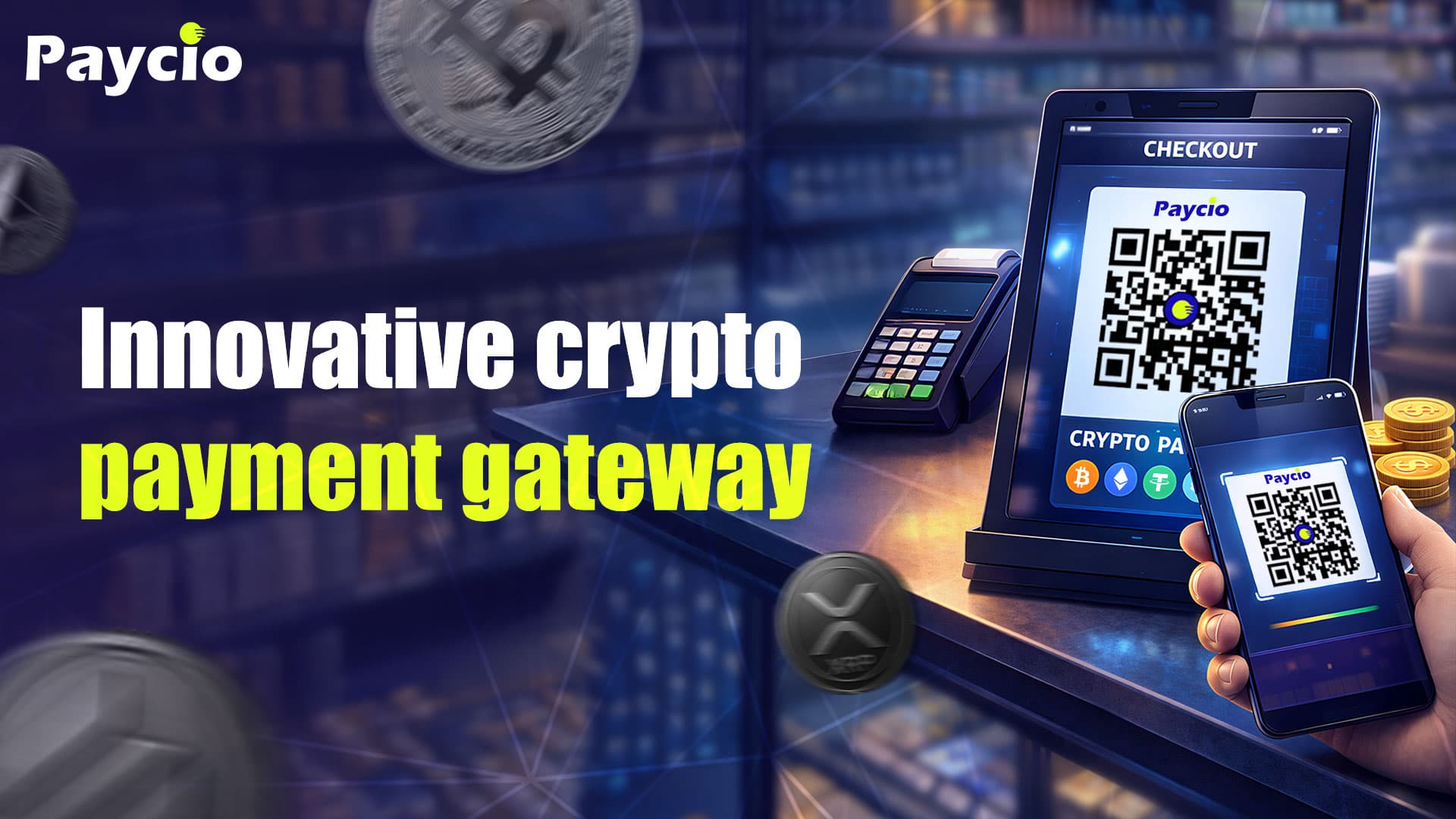
We're not just another payment app; think of us as the bullet train for money. Instead of routing through banks, Paycio moves value directly on blockchains, so every transaction lands instantly. No waiting rooms or closing hours.
Paycio's Mission
We built Paycio with a mission: to strip away friction. There are no surprise platform fees, no hidden commissions. Every dollar you send via Paycio is a dollar of liquidity moving directly from your wallet to the recipient's, minus only the actual network cost.
Alternative Gas Fee
Our secret sauce is a mechanism that allows you to pay network fees in any crypto you have, not just one native token. This matters because it saves you from expensive conversions. When gas prices spike or your balance is in Bitcoin but the network needs Ether, most platforms force a swap (with extra fees). Paycio lets you use any crypto coin to foot the bill, cutting out wasted exchange costs.
Unified Crypto Payments Interface
Behind the scenes is our UCPI, which connects all these blockchains under one hood. A business can accept payments from Ethereum, Solana, Polygon, and more without needing to juggle multiple wallets or integrations. It's like having a universal plug that fits any outlet.
This interoperability means payments always find the fastest and cheapest route: if Ethereum is clogged, Paycio will smart-route the transaction over another chain in real-time.
Cost Savings with Crypto Payments for Businesses & Everyday Users
For Business Owners: Think Global With Zero Hassle.
With Paycio, cross-border payments land in minutes, not weeks. You don't wait for FX settlements. You don't lose 3-5% to intermediaries. Your cash flow stays alive. Faster settlements mean more liquidity, which in turn leads to better inventory turnover, quicker reinvestment, and smoother payroll cycles.
Even if you only move $50,000 per month internationally, cutting fees from 5% to nearly zero saves $2,500 monthly. That's the heart of cost savings with crypto payments, turning time lost into money regained.
For Everyday Users: Crypto Without the Chaos
Paycio is not only built for the crypto-savvy crowd, but for everyone tired of paying extra just to send money.
Offline Payments: Pay even without the internet. Perfect for regions with poor connectivity.
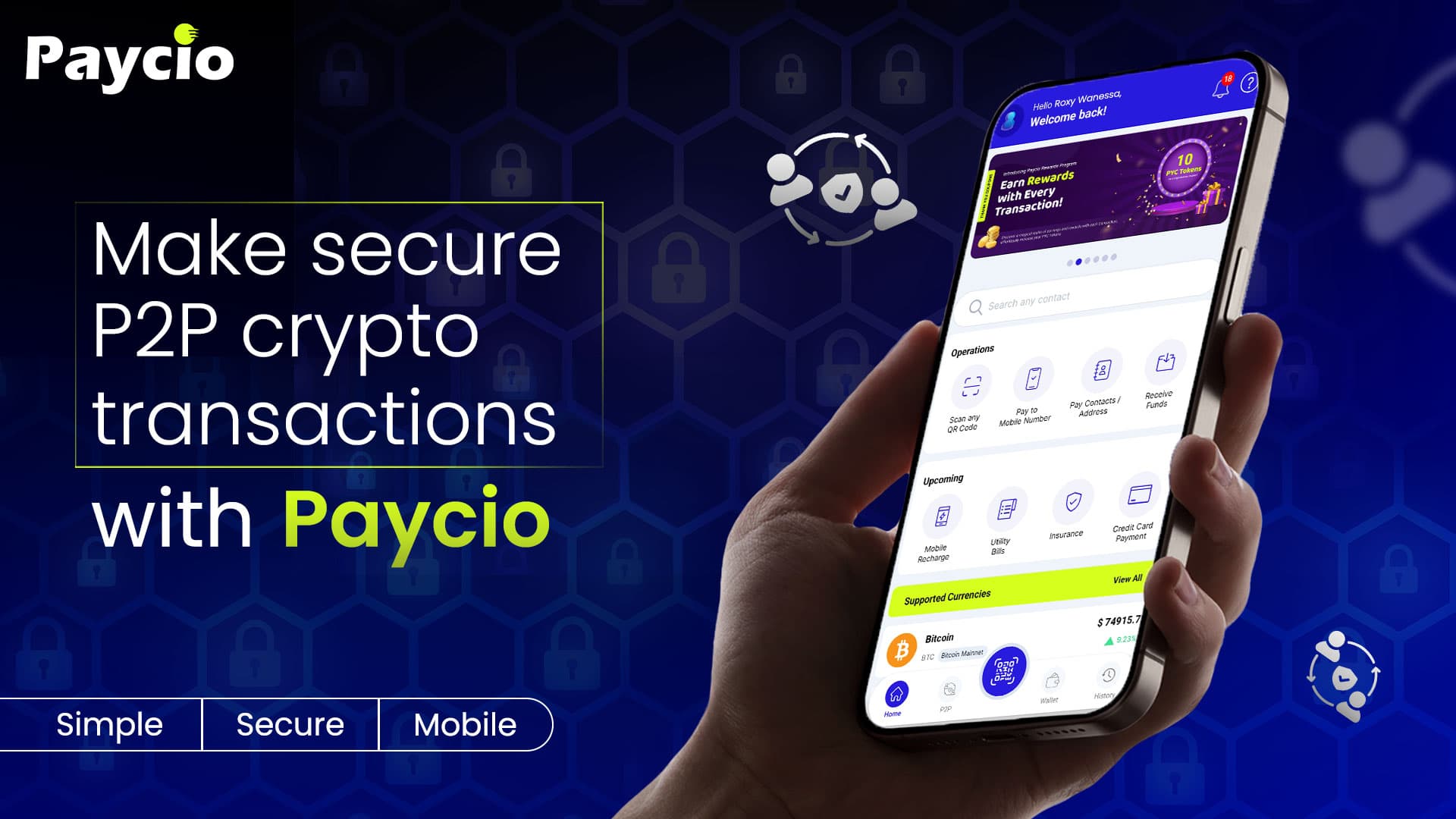
P2P Crypto Payments: Transfer instantly using mobile numbers or QR codes. No wallet juggling or gas fee confusion.
Near-Zero Platform Fees: Affordability starts at Paycio, where the only extra amount you need to pay is the blockchain's network fee.
For perspective, there are 1.4 billion unbanked people globally, many of whom own smartphones. Paycio bridges the gap, providing a way for them to transact digitally, affordably, and globally.
UCPI - The Network That Makes Cost Savings with Crypto Payments Possible
The UCPI, or Unified Crypto Payment Interface, is a connective tissue that lets different blockchains "talk." Think of UCPI as a translator that allows for seamless transactions of Bitcoin, Ethereum, Solana, and other digital assets without friction. When a business pays in, say, Bitcoin, but the recipient wants USDC on Solana, UCPI's cross-chain bridges handle the heavy lifting. Using cryptographic proofs and smart contracts, we lock funds on one chain and mind them on another, instantly and securely.
It's like teleporting value between chains while maintaining the system's integrity.
In practice, UCPI enables Paycio to tap into the fastest and most cost-effective route for each payment. If Ethereum is clogged or expensive, UCPI may route your transaction over Polygon or another chain without your notice. This multi-chain approach is powerful because it distributes transactions across multiple networks, thereby avoiding any single chain's bottleneck.
The end result? Cost savings with crypto payments don't depend on luck or timing; they're baked into the system. And it's compliant, too. UCPI operates within global KYC/AML frameworks, giving businesses the trust and transparency they need while keeping users' funds non-custodial.
There's no messy wallet management or chain-choosing confusion: users send funds, UCPI selects the best way to deliver them fast, and the payment settles as if on a global instant rail. When we say every transaction lands instantly, this is what we mean: Paycio and UCPI together let blockchain networks do their thing in the background, guaranteeing near-instant cross-chain settlement.
Paycio's tech stack, powered by UCPI, flattens the world of crypto payments so businesses and users everywhere can plug in and pay without barriers.
The New Means of Cost Savings
Here's the kicker: when money can move instantly and frictionlessly, "cost savings" takes on a whole new meaning. Imagine a world where businesses don't lose thousands in idle capital or fees. They reinvest that cash immediately: paying staff on time, stocking inventory, expanding to new markets.
- Employees get their salaries faster and reliably.
- Consumers shop across borders without wondering if their transfers will get stuck.
This unleashes liquidity into the economy faster. In fact, global data back this up. The World Bank reports the average remittance still costs around 6.49%. That's nearly $7 on every $100. With Paycio, those fees evaporate, replaced only by minimal network costs. Combine that with instant clearing (no 3-5 day hold), and businesses can reduce working capital tied up in transit by up to 88%. Over time, these are colossal savings. This results in faster growth and more agile economies.
By embracing instant, borderless payments, we kick the old "business days" to the curb. It's like trading in an outdated flip phone for the latest smartphone, once you experience it, there's no going back.
Join us in ditching the post office metaphor for money. Adopt Paycio, and watch your wallet (and business) run on tomorrow's rails today.